Alex Henderson
Journalist, Political Reporter, Cultural Critic, Editor/Proofreader
Alex V. Henderson
Philadelphia, PA
vixenatr

- Home
- Articles on Political, Social, Legal and Business Topics

- Political Commentaries
- Arts & Entertainment
- Bios For Record Companies: Rock
- Bios For Record Companies: Jazz Instrumentalists
- Bios for Record Companies: R&B and Hip-Hop
- Bios For Record Companies: Jazz Vocalists
- Liner Notes, Jazz Instrumentalists
- Liner Notes: Jazz Vocalists
- Magazine Articles: Jazz
- Magazine Articles: R&B
- Liner Notes: R&B
- Liner Notes: Hip-Hop
- CD Reviews
- Travel Photos
- Technical Writing
- Blogs
- Links
FunkytownGrooves,
August 2014
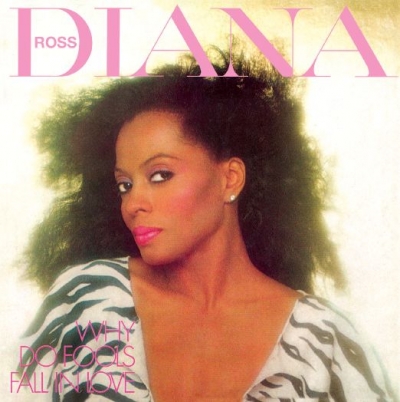 Diana Ross
Why Do Fools Fall in Love
Diana Ross gave her long-time followers a major surprise in the early 1980s, when she signed a contract with RCA Records and left the label that had been her home since 1960: Motown Records. The Detroit-born R&B/pop superstar enjoyed one smash hit after another at Motown—first as the lead singer of the Supremes (one of the top female vocal groups of the 1960s), then as a solo artist in the 1970s. And 1980’s Diana, which was written and produced by Chic leaders Nile Rodgers & Bernard Edwards and became Ross’ last full album at Motown, was a huge seller thanks to chartbusters like “I’m Coming Out” and “Upside Down.”
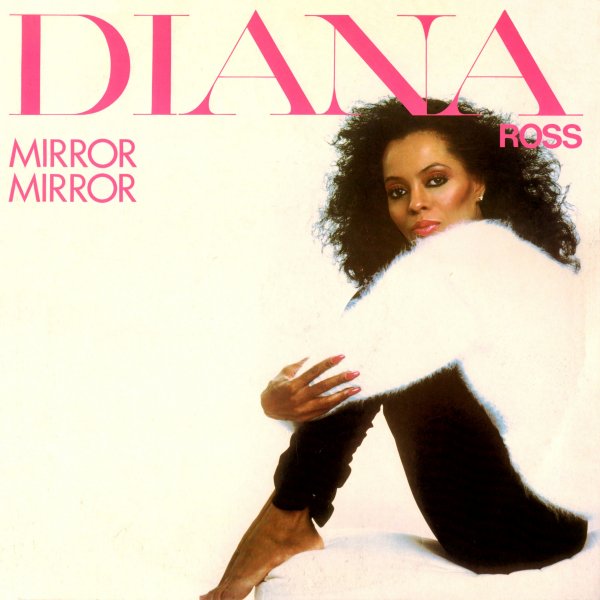
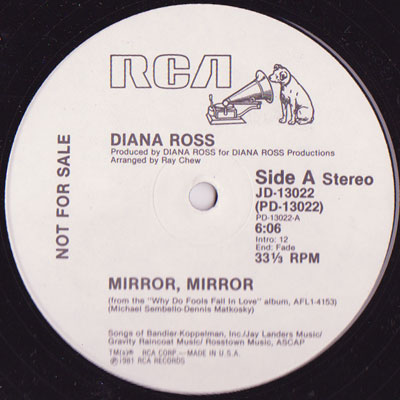
Diana was such a success that it looked like Rodgers & Edwards would also be producing her next album. However, the Chic leaders were booked solid with other commitments, which was a problem because RCA wanted a new album before 1981’s holiday season. So Ross ended up producing her first RCA album, Why Do Fools Fall in Love, herself—and it was released in September 1981. Boasting major hits that included “Mirror, Mirror” (a #2 R&B/#8 pop single in the U.S.) and the title song (an infectious remake of Frankie Lymon & the Teenagers’ 1956 doo wop favorite), Why Do Fools Fall in Love reached #4 on Billboard’s R&B albums chart in the United States and sold over one million copies in the U.S. alone.
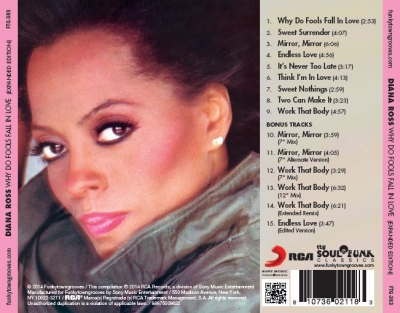
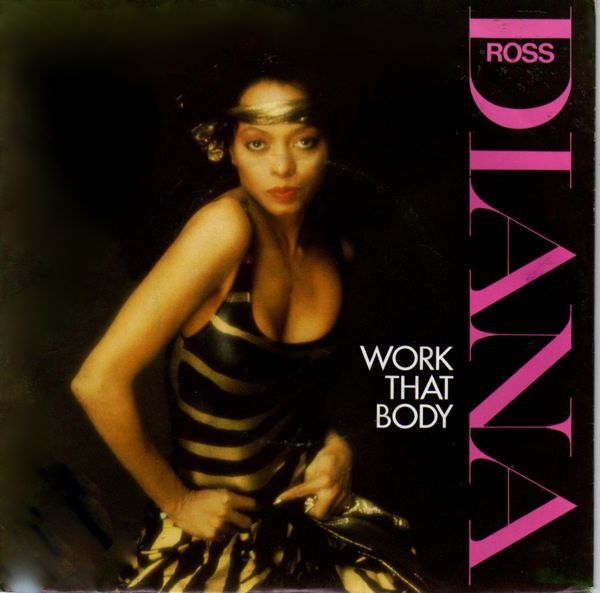
Although Rodgers & Edwards are nowhere to be found on this album, their influence is evident on “Mirror, Mirror” (which has both a rock edge and elements of Chic) and the danceable, Chic-minded “Work That Body” (a #7 pop hit in the UK). This is a diverse album, ranging from club-friendly grooves like “Work That Body,” “Sweet Nothings” and “It’s Never Too Late” (written by the late Dan Hartman of “Instant Replay” and “Relight My Fire” fame) to the laid-back quiet storm appeal of “Think I’m in Love” and “Two Can Make It.” Ross also shows her romantic side on a solo remake of the famous Lionel Richie ballad “Endless Love,” which she had previously recorded with him as a male/female duet. FunkyTownGrooves’ expanded 2014 edition of Why Do Fools Falls in Love contains eight bonus tracks, including two 7” single versions of “Mirror, Mirror,” three single versions of “Work That Body” and three versions of “Endless Love.”
Why Do Fools Falls in Love boasts an impressive cast of players that includes, among others, arranger Ron Mounsey, keyboardist Leon Pendarvis, guitarist Eric Gale and Philadelphia’s iconic Brecker Brothers: trumpeter Randy Brecker and the late saxophonist Michael Brecker. The Brecker Brothers were known for their work as jazz instrumentalists as well as for appearing on countless rock and R&B sessions in the 1970s and 1980s, and it was Randy Brecker who wrote the killer horn arrangement for “Mirror, Mirror.”
Interviewed in July 2014, Randy Brecker (now 68) asserted that he didn’t forget his jazz background when he worked with Ross on this R&B/pop album 33 years ago. “The horn voicings and rhythms of the chart on ‘Mirror, Mirror’ were coming out of horn voicings and rhythms from Art Blakey and Horace Silver,” Brecker recalls. “Luckily, they lent themselves well to Miss Ross’ performance and the nature of the tune.”
Brecker continues: “The session I remember vividly because it went so well. Sometimes, as an arranger, you write something that you like but the artist or producer has other ideas—so you have to edit or delete something you wrote, and things can get bogged down fast. This time, the chart worked out great right off the bat. Miss Ross loved it. As a result, she asked me to come out to the Coast with her and conduct the Tonight Show Band when she premiered ‘Mirror, Mirror’ on Johnny Carson. So I got to play with Doc Severinsen during the commercials. Miss Ross was a down-to-Earth person and a pleasure to work with.”
“Two Can Make It” was written by two Los Angeles-based songwriters who enjoyed considerable success in the 1980s: Dean Pitchford (who co-wrote Irene Cara’s 1980 smash “Fame”) and Tom Snow, who co-wrote “He’s So Shy” for the Pointer Sisters. Snow, in fact, had written or co-written two songs for Ross’ Richard Perry-produced Baby, It’s Me album of 1977: “Top of the World” and “Gettin’ Ready for Love,” both released as singles. And Pitchford wrote the screenplay for the hit musical Footloose and co-wrote everything on its soundtrack, including Deniece Williams’ 1984 hit “Let’s Hear It for the Boy” (which he wrote with Snow).
Interviewed in July 2014, Snow recalled: “I had worked with Richard Perry, and people were receptive to hearing my stuff. I had my own publishing company at that point, and Dean was getting really well established as a songwriter thanks to ‘Fame.’”
Pitchford, in a separate July 2014 interview, remembered: “I was very fortunate to have met Tom. And when one of our reps got our song ‘Two Can Make It’—which was originally called ‘One Can Fake It’—to Diana, she jumped on it immediately. The song’s refrain was ‘one can fake it, two can make it,’ but I think Diana decided that the title ‘One Can Fake It’ sounded too negative. So she changed the name of our song, and we re-filed copyright under the new title.”
“Two Can Make It” would have made a great single, but Pitchford suspects that RCA saw more single potential in the album’s uptempo offerings. Pitchford explains: “Diana was having big dance hits and was getting a lot of club play, and ‘Two Can Make It’ was the flipside of that. ‘Upside Down,’ ‘I’m Coming Out’ and ‘The Boss’ were big dance hits, and I think RCA wanted something bouncier and more danceable for a single.”
Reflecting on Ross’ decision to leave Motown for RCA, Pitchford notes: “I would imagine that after such a long time within the structures of Motown, Diana wanted to spread her wings when she did her first album outside of Motown.” And clearly, her association with RCA got off to an exciting start with Why Do Fools Fall in Love.
—Alex Henderson, August 2014
Alex Henderson’s work has appeared in Billboard, Spin, Salon.com, Creem, The L.A. Weekly, AlterNet, JazzTimes, Jazziz, Cash Box, HITS, CD Review, Skin Two, Black Beat, The Pasadena Weekly, Black Radio Exclusive (BRE), Music Connection, The New York City Jazz Record, Jazz Inside Magazine and many other well-known publications. Henderson (alexvhenderson.com) also contributed several thousand CD reviews to the popular Allmusic.com website and The All Music Guide’s series of music reference books.
Alex V. Henderson
Philadelphia, PA
vixenatr